
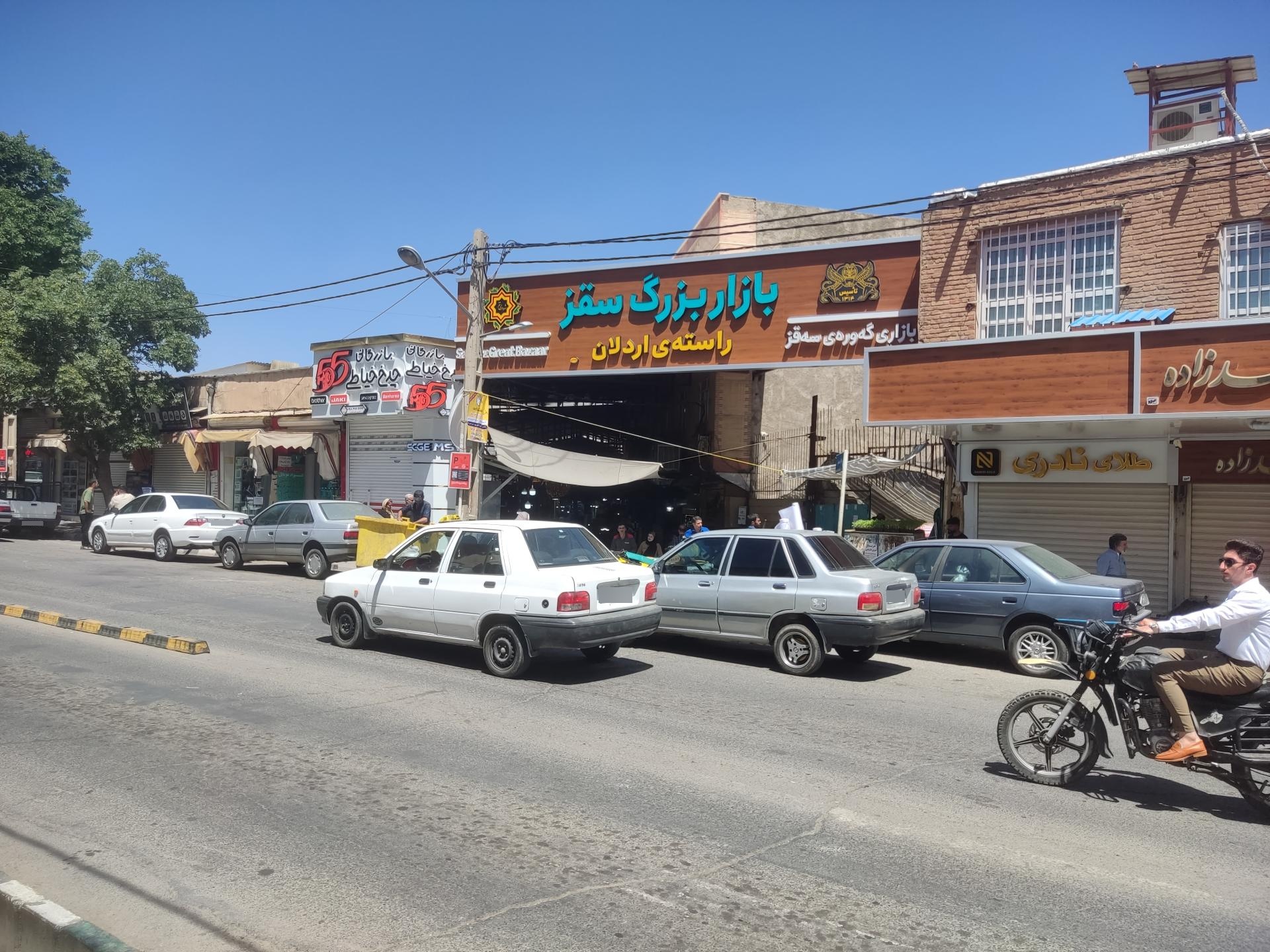
🏛️ Saghez Gyan Commerce & Bazaar Encyclopedia
Comprehensive Autumn 2026 Edition
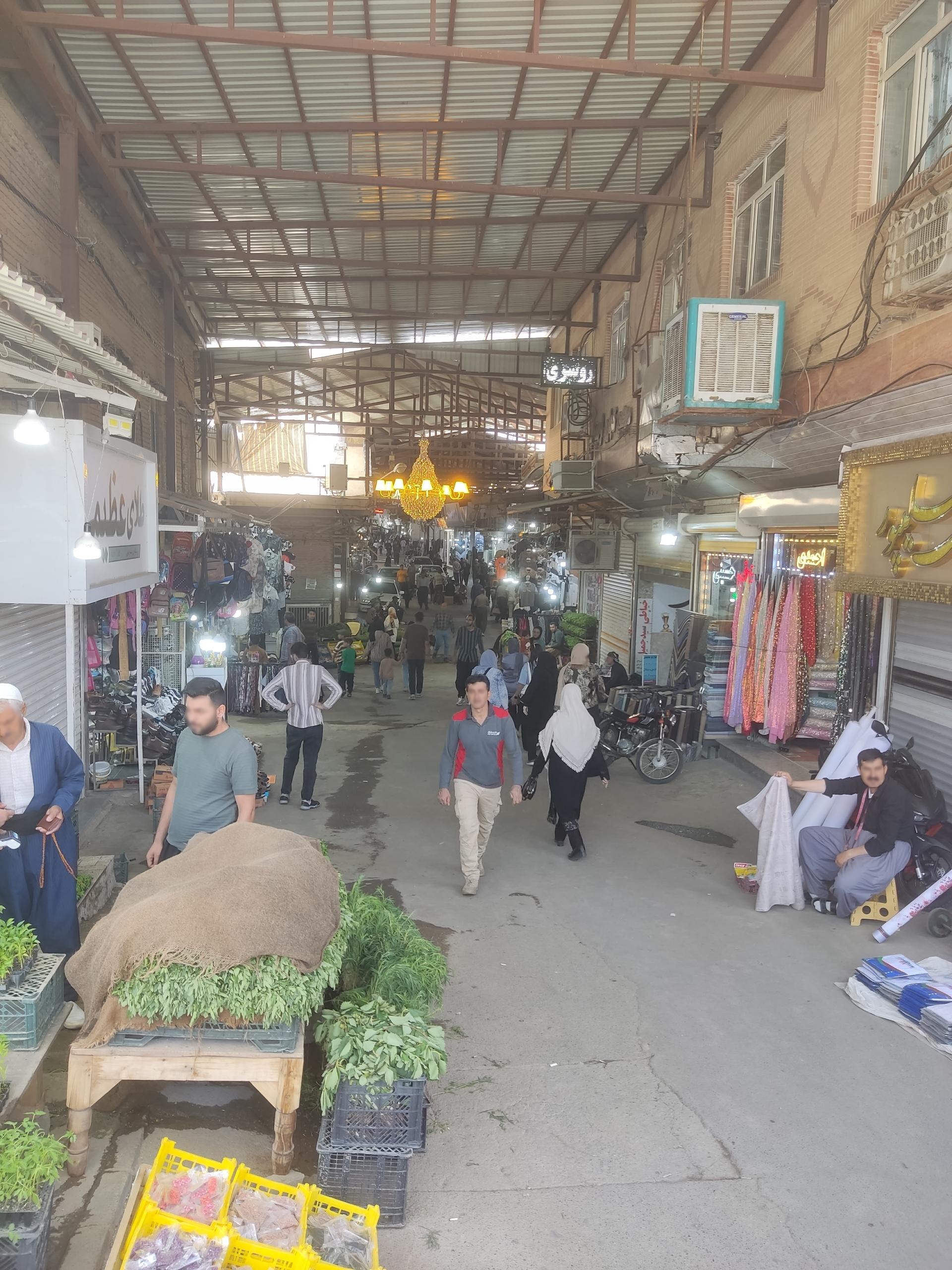
The Great Historic Bazaar of ancient Saqqez has served for centuries as the beating commercial, cultural, and artisanal heart of western Iran and the historic Mukriyan region. Harmoniously blending vaulted Qajar-era caravanserais, bustling covered alleys, Iran’s premier fabric hub, specialized gold markets, and contemporary commercial galleries, it welcomes hundreds of thousands of shoppers and merchants annually from across Iran and the Kurdistan Region of Iraq.
1. Historical Significance & Geoeconomic Crossroads of Saqqez
Saqqez has historically operated as the prime commercial junction connecting the Iranian central plateau and Azerbaijan with the western slopes of the Zagros mountains and the cities of Mosul, Aleppo, and Baghdad. This advantageous geopolitical setting fostered a grand marketplace that evolved from a local trading post into one of western Iran’s most dynamic trading hubs for textiles, leather, crafts, and grains.
The traditional market developed along the historical municipal axis of Fakhr Razi Street and is divided into two primary heritage sectors:
- Mian-Qal’eh Quarter: Situated at the base of the ancient Narin Qal’eh hill, anchored by the Afsharid-era Two-Minaret Mosque and the Zand-era Haj Saleh Bathhouse, this sector constitutes the oldest mercantile core for textiles, dyes, and Mukriyan carpets.
- Sarpecheh Quarter: Expanded rapidly during the Qajar and Pahlavi eras, housing blacksmiths, goldsmiths, and saddlers, surrounded by extensive merchant inns.
2. Qajar-Era Caravanserais & Commercial Inns
A quintessential feature of Saqqez’s historic architecture is its two-story wooden-pillared caravanserais:
- Tajwanchi Caravanserai (Tajwanshir): The grandest surviving Qajar merchant inn in the heart of the bazaar, featuring an expansive courtyard, brick vaults, and timber colonnades that stand as a testament to historical regional trade.
- Jowdat & Mohandes Caravanserais: Notable architectural complexes that continue to function as secure wholesale warehouses and fabric ateliers.
3. Specialized Market Alleys (Rastehs)
🧵 1. Fabric Bazaar & Silk Corridor (The Kurdish Textile Capital)
Saqqez is unequivocally recognized as the capital of Kurdish celebratory textiles in Iran. Over 500 boutiques in Rasteh Bala and Gozar-e Abrisham showcase world-class fabrics imported directly from Dubai, India, South Korea, Turkey, and China at wholesale rates 20% to 40% below metropolitan retail centers.
💍 2. Goldsmiths’ Alley (Artisanal Kurdish Jewelry)
Celebrated for certified high-carat gold and exquisite Kurdish traditional heritage jewelry including Shelaneh, heavy Kurdish necklaces, Paveneh, gold belts, and ornamental headpieces crafted with masterful artisanal techniques.
👞 3. Kalash Makers & Traditional Leather Crafts
Kalash—the UNESCO-recognized traditional Kurdish footwear crafted entirely from compressed cotton rags and woven cotton uppers—offers extraordinary breathability and natural comfort for summer walking.
🌿 4. Chehel-Cheshmeh Wild Herbs & Organic Souvenirs
The pristine alpine pastures of Mount Chehel-Cheshmeh provide fresh spring delicacies (wild rhubarb, wild mountain garlic, mountain truffles) and year-round organic treasures: raw mountain honey, traditional Kurdish clarified butter (Ghee), and natural wild pistachio resin (Saqqez).
4. Contemporary Shopping Centers & Malls
5. Practical Tips for Shoppers & Visitors
💡 Fabric Measurement Guide for Kurdish Women’s Attire:
• Kras (Main dress): 3.5 to 4.5 meters depending on height and flare.
• Kawa or Sokhmeh (Overcoat or vest): 1.5 to 2 meters of heavy velvet or sequined fabric.
• Shawl & Headscarf: 1.5 to 2.5 meters of lightweight tulle or silk.
- Business Hours: 09:00 to 13:30 and 16:00 to 21:00 (extended to 22:00 in summer). Fabric alleys are open Friday mornings.
- Parking: Park at the Municipal Multi-Story Garage or Saheli Boulevard public parking, both a 2-minute walk from the bazaar.
- Authentic Flavors: Sample traditional charcoal-grilled kababs, stone-pot dizi, and hot spring kelaneh flatbreads in the historic market alleys.