One of the 20th century’s most sensational Middle Eastern archaeological discoveries: the accidental uncovering of Mannaean and Scythian gold plaques, carved ivories, and bronzes at Ziwiye.
Historical Narrative & Significance
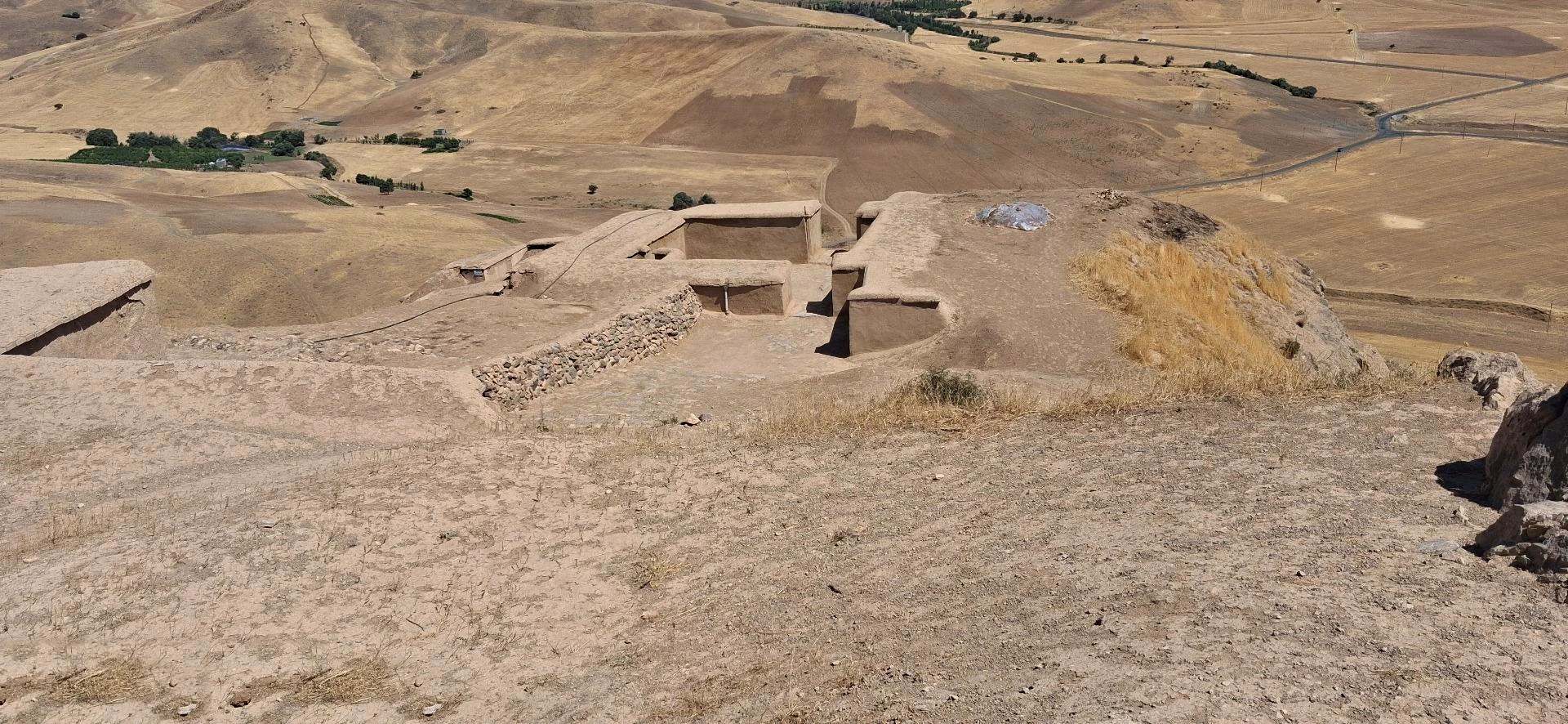
In the late 1940s (c. 1946–1947), heavy rains and severe hillside erosion on the ancient citadel mound of Ziwiye, located 42 km southeast of Saqqez, led to one of the most astonishing archaeological discoveries in Near Eastern history. Local shepherds and village boys accidentally uncovered gleaming gold plaques, carved ivory inlays, and bronze cauldrons protruding from the ancient mudbrick strata. Renowned French archaeologist André Godard and later Roman Ghirshman confirmed the hoard’s profound antiquity, dating it to the 8th–7th centuries BCE. Blending indigenous Mannaean metalwork with Scythian animal-style zoomorphism and Assyrian imperial iconography, the Ziwiye Treasure stunned scholars globally. Today, these priceless masterpieces are celebrated centerpieces at the National Museum of Iran in Tehran, the Musée du Louvre in Paris, and the Metropolitan Museum of Art in New York.
Authoritative Sources & Archival References
📚 Authoritative Sources & Archival References: Godard, André (1950). Le Trésor de Ziwiyè; Motamedi, N. (1996). Excavations at the Citadel of Ziwiye; Ghirshman, Roman (1979). Iran: From the Earliest Times to the Islamic Conquest.